

Emotional Freedom Techniques (EFT) — Tapping Online Sessions for Adults & Children Worldwide | Laura Thomas, BA, MCH, EFT-Adv, RYT-200, HMC
What Is EFT Tapping?
Emotional Freedom Techniques — commonly known as EFT or Tapping — is one of the most exciting and rapidly growing approaches in the field of mind-body healing. It is simple enough to be learned by a child, yet powerful enough to address some of the most complex emotional and physical challenges adults face.
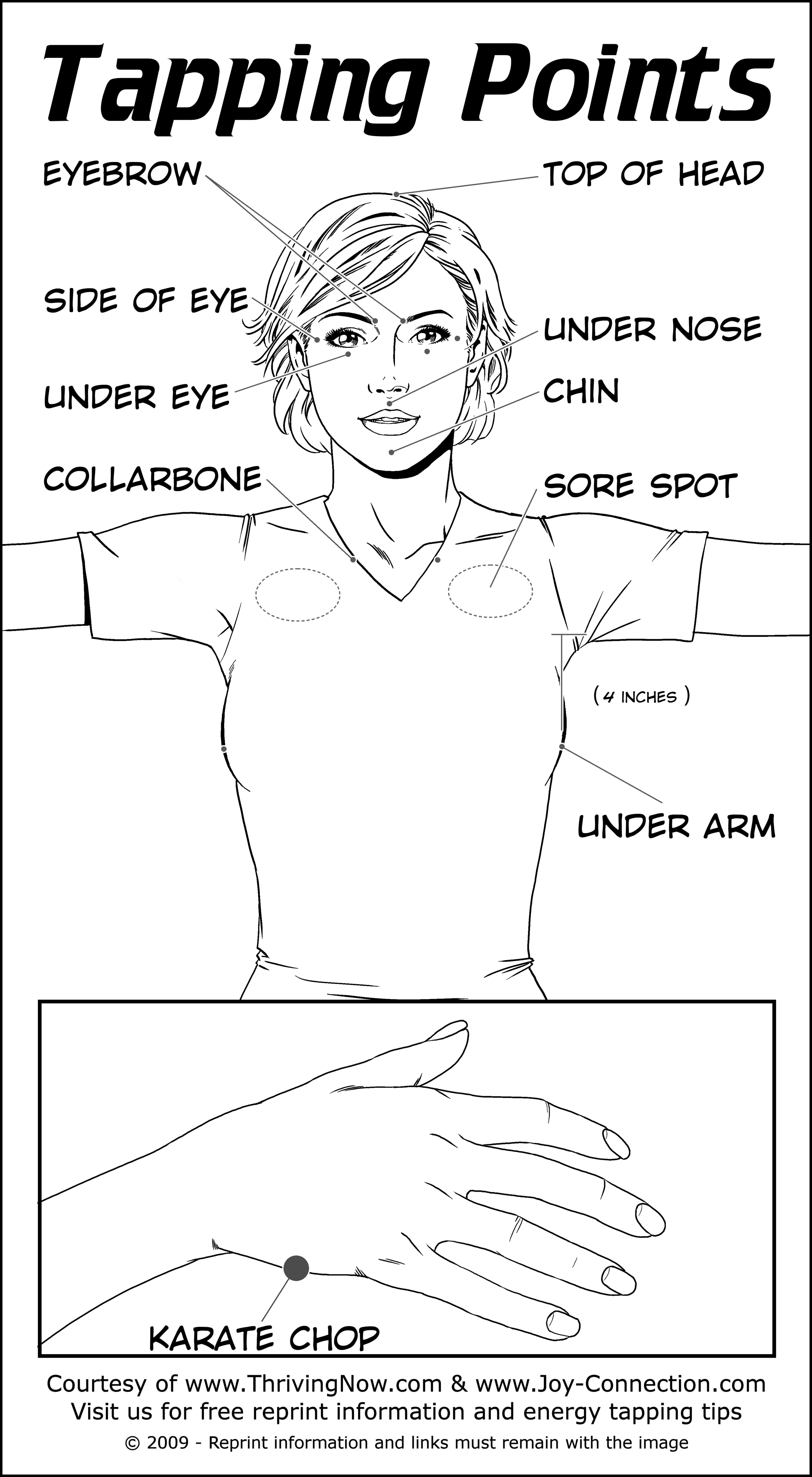
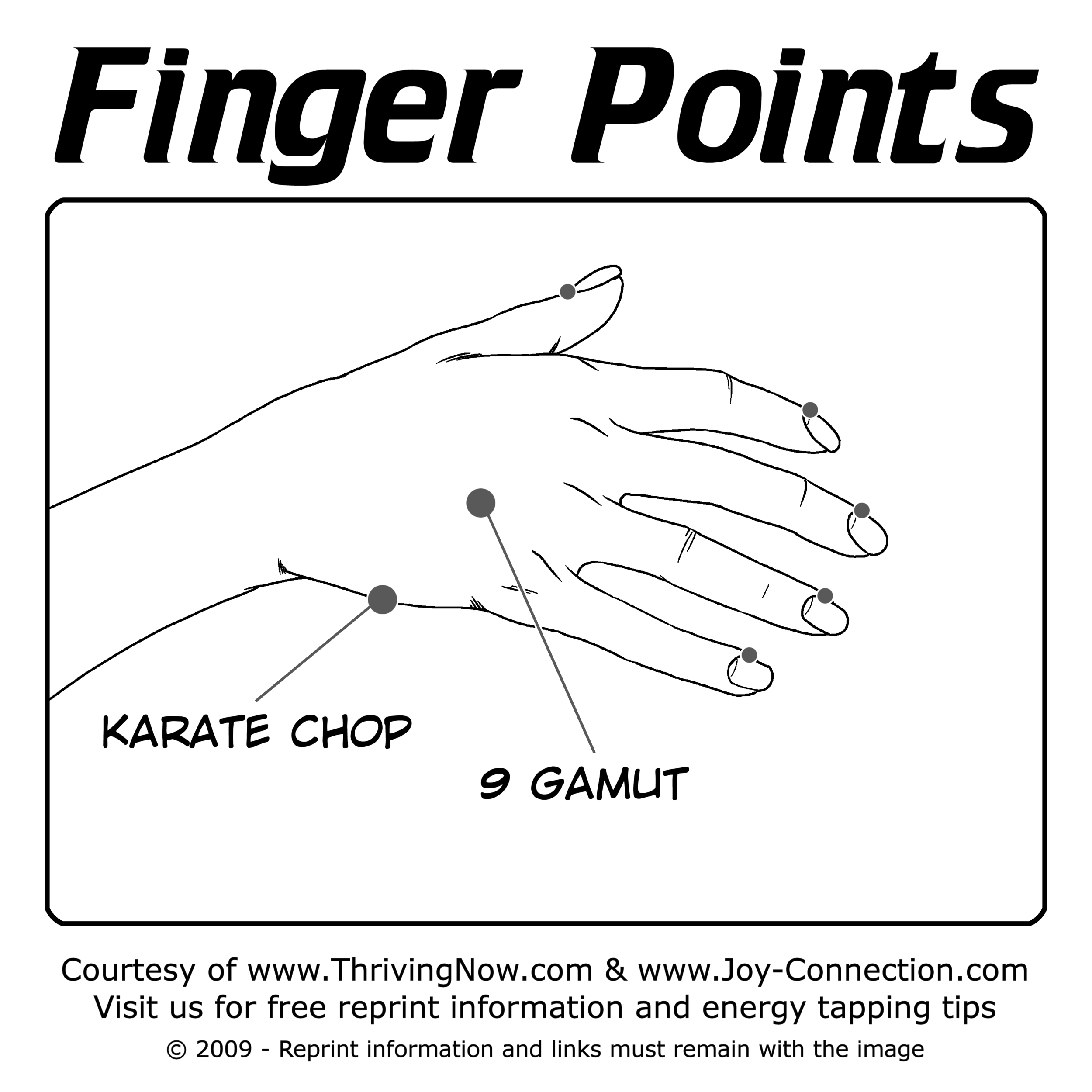
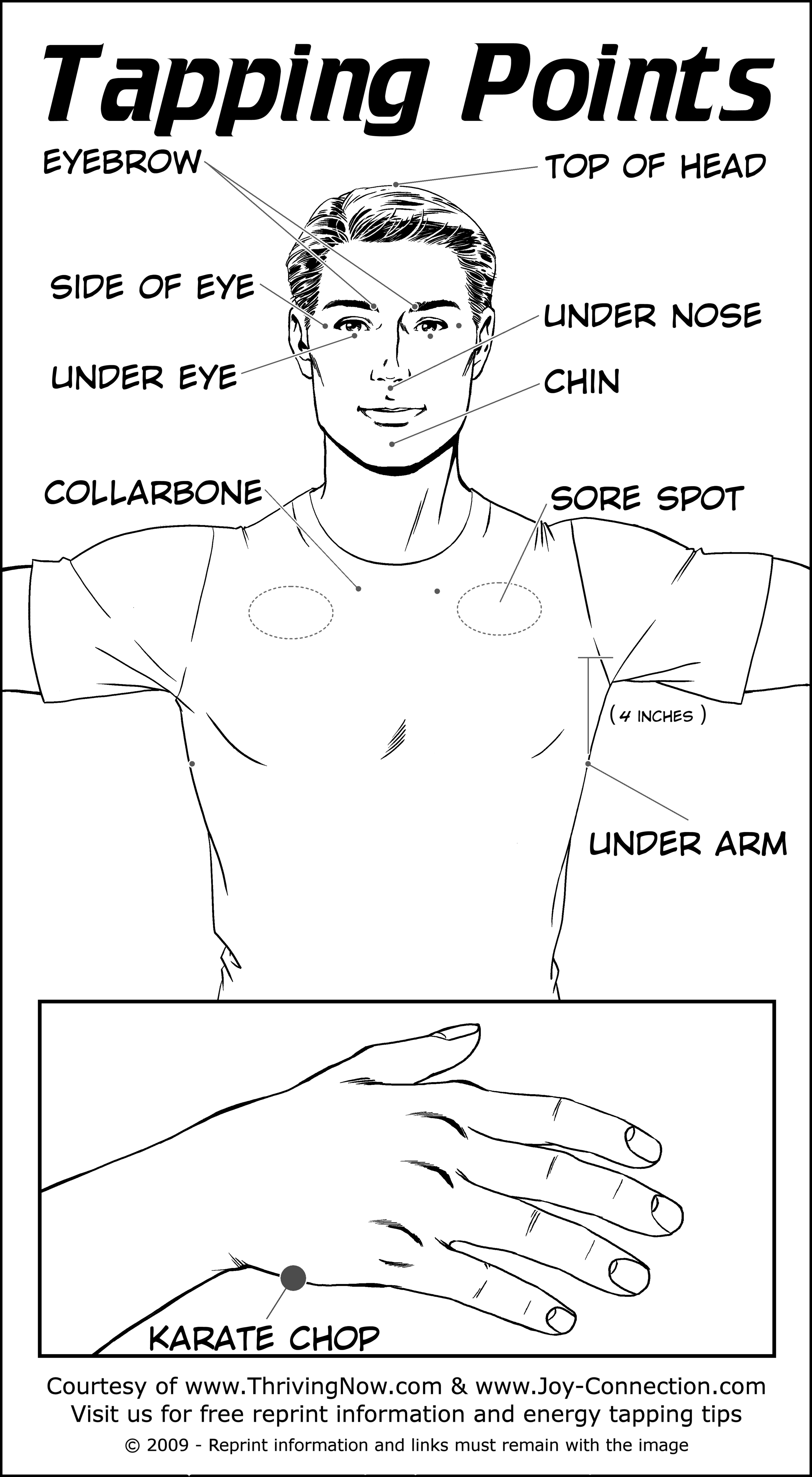
EFT works by gently tapping with the fingertips on specific acupressure points on the face and upper body — the same energy pathways used in traditional Chinese medicine and acupuncture for thousands of years — while simultaneously focusing on a specific thought, feeling, memory, or issue that is causing distress.
This combination of mindful focus and physical acupressure sends calming signals directly to the brain's stress response centre — the amygdala — interrupting the fight-or-flight reaction and allowing the nervous system to return to a state of balance and ease. The emotional charge attached to a difficult thought or memory begins to dissolve — often surprisingly quickly.
What Does the Research Say?
EFT is one of the most extensively studied mind-body interventions available today. It has been formally designated as an evidence-based practice by the American Psychological Association's Division 12 Task Force for anxiety, depression, phobias, and PTSD.
Over 200 clinical trials, meta-analyses, and peer-reviewed studies have now been published examining EFT's effects. Key findings include:
A landmark study published in the Journal of Nervous and Mental Disease found that a single hour-long EFT session reduced cortisol — the body's primary stress hormone — significantly more than either talk therapy or rest
Research using functional MRI brain scans has shown that EFT measurably changes the brain's neural pathways involved in stress and emotional reactivity
Studies have demonstrated that EFT produces significant improvements in anxiety, depression, PTSD, physical pain, insomnia, and immune function
Results have been shown to be durable — improvements made during EFT sessions tend to hold over time, not just in the moment
EFT has been studied across a wide range of populations — veterans, athletes, cancer patients, healthcare workers, children, and the general public — with consistently positive results.
How Does an EFT Session Work?
An EFT session with Laura is a collaborative, gentle, and deeply respectful process. You do not need to relive trauma in graphic detail or push through overwhelming emotion. The process is designed to work with your nervous system, not against it.
A typical session involves:
Identifying the specific issue, feeling, or memory to work with
Rating its emotional intensity on a scale of 0 to 10
Using a simple Set-Up Statement to acknowledge the issue while simultaneously accepting yourself
Tapping through a sequence of acupressure points on the face and upper body while staying focused on the issue
Re-rating the intensity and continuing as needed until it reduces significantly — often to zero
Most clients are surprised by how quickly the emotional intensity of a long-held issue can shift. EFT does not erase memories — it removes the emotional charge that has been keeping them painful and present.
What Can EFT Help With?
EFT is a genuinely versatile approach that can be applied to a wide range of emotional, physical, and performance challenges:
Emotional & Psychological:
Anxiety and chronic worry
Depression and low mood
Trauma and PTSD
Grief and loss
Anger and resentment
Guilt and shame
Fear and phobias
Low self-esteem and confidence
Relationship difficulties
Physical:
Chronic pain and tension
Headaches and migraines
Stress-related physical symptoms
Sleep difficulties and insomnia
Cravings and emotional eating
Support during illness or medical treatment
Performance & Habit:
Public speaking and presentation anxiety
Sports and athletic performance
Exam and performance anxiety
Procrastination and self-sabotage
Addictions and compulsive habits
Weight management
Focus and concentration
Children & Youth:
School anxiety and exam stress
Social difficulties and peer pressure
Emotional regulation
Behavioural challenges
Building resilience and confidence